
- Von BaliAlle besten Reiseziele Ost-Java IDR 4.800.000/Person
- Von BaliBromo Ijen Tumpak Sewu IDR 2.950.000/Pax
- Ab BanyuwangiMount Ijen Bromo IDR 2.450.000/Person
- Ab BanyuwangiMitternachtstour zum blauen Feuer des Ijen-Nationalparks: 800.000 IDR/Person
- Von SurabayaSonnenaufgangstour zum Mount Bromo: 1.000.000 IDR/Person
- Von SurabayaMount Bromo – Ijen – Sukamade Tour IDR 4.050.000/Person
Explore East Java from Bali | Ultimate Travel Guide
9 Februar 2026 2.931x Reisetipps
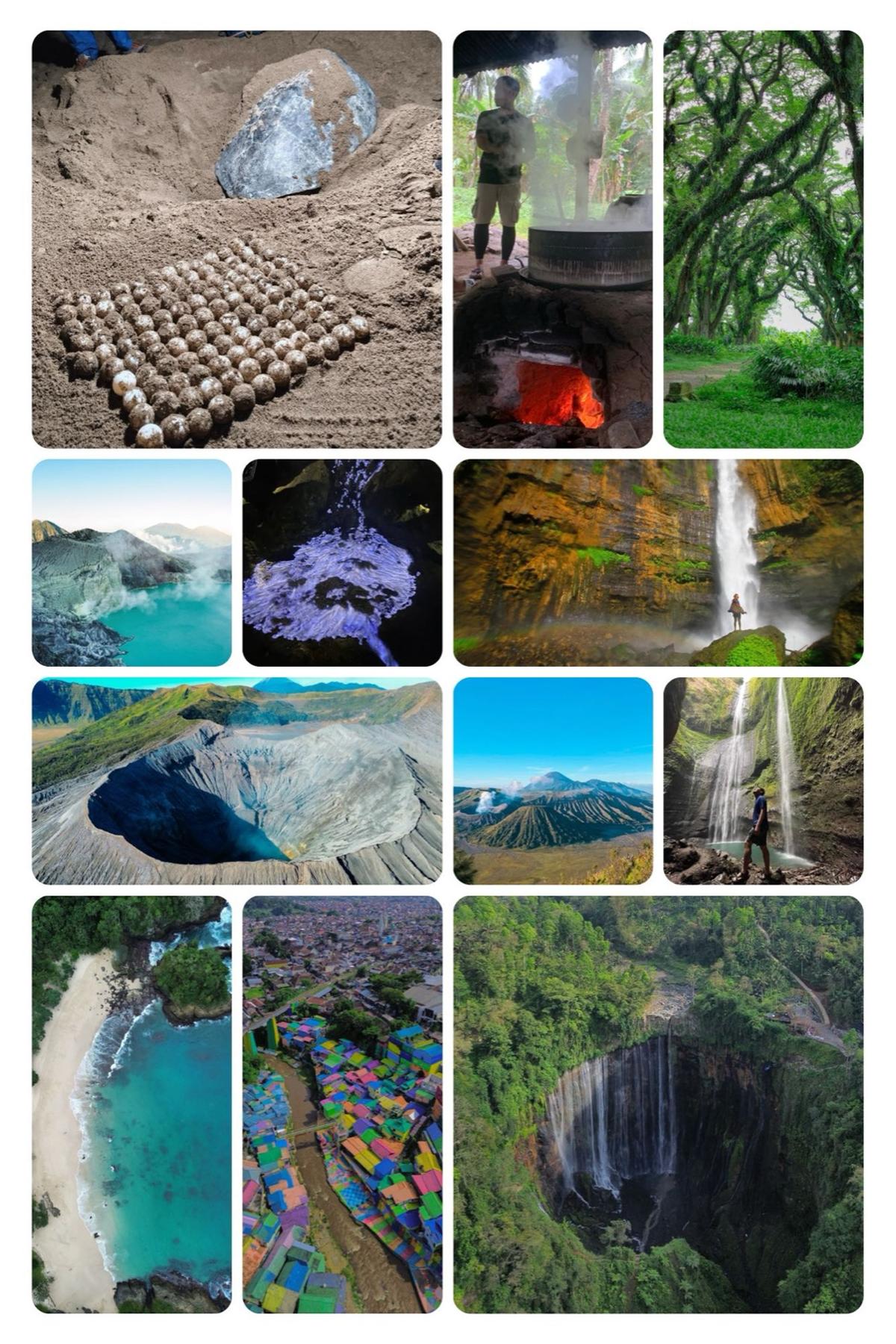
Explore East Java from Bali
Explore East Java from Bali introduces travelers to one of Indonesia’s most diverse and adventurous regions. While Bali attracts visitors with beaches, resorts, and wellness retreats, East Java reveals a dramatically different landscape shaped by volcanoes, waterfalls, savannas, forests, and heritage cities. For this reason, many travelers continue their journey beyond Bali to experience a more authentic and immersive side of Indonesia.
Bali also functions as Indonesia’s main international gateway. As a result, accessing East Java from Bali feels both practical and efficient. Travelers can cross directly to Banyuwangi without flying through major urban centers. This overland approach allows a smooth transition into East Java and forms the foundation of many long-route journeys referenced by Into East Java Tour.
About East Java as a Travel Destination
East Java stands out as one of Indonesia’s largest and most geographically varied provinces. A continuous chain of active volcanoes dominates the region, including Mount Ijen, Mount Bromo, Mount Semeru, Mount Raung, and Mount Kelud. In addition, fertile valleys, tropical rainforests, rivers, and coastlines shape the surrounding landscape.
Unlike destinations where attractions feel disconnected, East Java offers a natural flow between environments. Travelers can move from volcanic craters to waterfalls, from savanna plains to ancient forests, and from remote nature to colonial-era cities. As a result, the region works exceptionally well for overland exploration.
From a cultural perspective, East Java reflects centuries of history. The Osing community in Banyuwangi preserves ancestral traditions, while the Tenggerese people around Mount Bromo maintain unique Hindu rituals. Meanwhile, cities such as Malang showcase strong Dutch colonial influences through architecture and urban planning.
Why Start Exploring East Java from Bali
Starting from Bali offers clear advantages in route efficiency and travel logic. Banyuwangi sits directly across the Bali Strait and serves as East Java’s eastern gateway. From here, travelers can explore Mount Ijen, Baluran National Park, Alas Purwo National Park, and Sukamade Turtle Beach before continuing westward.
Moreover, this east-to-west travel flow reduces unnecessary backtracking. Instead of repeating routes, travelers progress naturally toward Lumajang, Probolinggo, Mount Bromo, Malang, and Batu. For this reason, many overland journeys recommended by Into East Java Tour follow the same direction.
Access and Transportation from Bali to East Java
The most common access route connects Gilimanuk in Bali with Ketapang Port in Banyuwangi. Ferries operate frequently throughout the day and night, and the crossing usually takes about one hour. Because vehicles can board the ferry, this option suits both private and rented transportation.
After arriving in Banyuwangi, travelers can continue by car, train, or shuttle service. At the same time, East Java’s road network connects most major destinations efficiently. Therefore, overland travel remains the most flexible way to explore the region.
Volcanoes and Geological Landscapes
Mount Ijen
Travelers know Mount Ijen for its rare blue fire phenomenon and its striking turquoise crater lake. Traditional sulfur miners continue to work inside the crater, offering insight into daily local life. As a result, the experience combines natural beauty with cultural significance.
Vulkan Bromo
Mount Bromo sits within the vast Tengger Caldera and attracts visitors with dramatic sunrise viewpoints and an active volcanic crater. In addition, Tenggerese ceremonies bring cultural depth to the surrounding landscape.
Other Volcanic Areas
Mount Kelud, Kawah Wurung, and Mount Raung provide alternative volcanic experiences. These areas appeal to travelers seeking scenic views with fewer crowds.
Waterfalls and River Valleys
East Java features some of Indonesia’s most impressive waterfalls. Tumpak Sewu Waterfall forms a wide curtain of water surrounded by steep cliffs in Lumajang. Meanwhile, Madakaripura Waterfall offers a canyon-like environment linked to the Majapahit era.
Kapas Biru Waterfall flows through a lush valley with vibrant blue tones, while Coban Rondo and Coban Putri near Malang provide accessible forest escapes. Together, these waterfalls highlight East Java’s strong connection between water, terrain, and volcanic geography.
National Parks and Wildlife
Baluran National Park features open savannas and wildlife such as deer and wild cattle. Because of its landscape, people often call it the Africa of Java. On the other hand, Alas Purwo National Park protects one of Java’s oldest forests and holds spiritual significance.
Sukamade Turtle Beach focuses on sea turtle conservation. Travelers can observe nesting activity and hatchling releases under controlled conditions. As a result, this area supports responsible eco tourism.
Beaches and Coastal Destinations
Compared to other regions, East Java’s beaches remain largely undeveloped. Papuma Beach in Jember offers white sand and dramatic rock formations. Meanwhile, Plengkung Beach, also known as G-Land, attracts surfers from around the world with its powerful waves.
Sempu Island near Malang features a hidden lagoon surrounded by cliffs and forest. Because access is regulated, the island maintains a strong conservation focus.
Cities, Villages, and Heritage Areas
Malang combines a cool climate with colonial architecture and a relaxed atmosphere. Malang Heritage areas preserve historical buildings, while Jodipan Colorful Village and Kampung Tridi highlight community-based creativity.
Batu offers mountain scenery, agricultural tourism, and educational attractions. Meanwhile, Banyuwangi continues to develop as a cultural hub through Osing traditions, festivals, and culinary events.
Local Cuisine in East Java
Food plays an essential role in East Java travel experiences. Rawon, a black beef soup made with keluak nut, represents regional flavors. In addition, rujak cingur blends vegetables, fruit, and fermented ingredients unique to the region.
Sego tempong from Banyuwangi delivers bold spice levels, while Malang-style meatballs remain popular across Indonesia. Through local food, travelers gain deeper insight into daily life.
Travel Tips for Exploring East Java from Bali
Preparation helps ensure a smooth journey. Because temperatures drop at higher altitudes, warm clothing proves useful near volcanoes. Comfortable footwear supports waterfall treks and crater hikes. Therefore, route planning remains essential for efficient travel.
The dry season generally provides better conditions for outdoor exploration. Many travelers also use route references from Into East Java Tour to understand travel flow and destination connections.
Our Tour Package – East Java from Bali
After understanding East Java’s landscapes and access routes, many travelers choose a structured approach for convenience. Our Tour Package East Java from Bali follows an efficient overland flow starting from Bali and entering East Java through Banyuwangi.
These routes connect volcanoes, waterfalls, national parks, beaches, and cultural cities while simplifying transportation and timing. Travelers can explore curated journeys and route references through Into East Java Tour.
Ijen Blue Fire Tour Start from bali 2 Days 1 Nights
Ijen-Bromo-Tour ab Bali – Entdecken Sie die beeindruckendsten Vulkane Ostjavas
Ijen Bromo Tumpak Sewu Tour ab Bali – Das beste 4T3N Vulkanabenteuer in Ostjava
Ijen Bromo Tumpak Sewu Tour ab Bali – Das beste 4T3N Vulkanabenteuer in Ostjava
Ostjava-Rundreise ab Bali – Mount Ijen, Sukamade, Bromo & Tumpak Sewu (5 Tage 4 Nächte)
Final Thoughts
Explore East Java from Bali represents more than a simple extension of a Bali holiday. Instead, it opens access to Indonesia’s most dynamic landscapes, where nature, culture, and heritage connect seamlessly. This guide provides a complete foundation for understanding East Java before continuing deeper into specific destinations or structured route exploration.

Vielleicht interessiert Sie auch der folgende Artikel:

Nationalpark Baluran: Die afrikanische Savanne Javas
Baluran National Park: The African Savannah of Java When travelers think of Indonesia, the first images that often come to mind are Bali’s sandy beaches, Komodo dragons in Flores, or the volcanic landscapes of Java. Yet, tucked away in East Java lies a hidden gem that few international tourists have heard of: Baluran National Park. mehr lesen

Sukamade Beach: Indonesiens geheimes Schildkrötenparadies
Sukamade Beach: Indonesiens geheimes Schildkrötenparadies. Tief im Meru Betiri Nationalpark in Ost-Java versteckt, bietet der Sukamade Beach eines der außergewöhnlichsten Naturerlebnisse Indonesiens. Dieser abgelegene, drei Kilometer lange schwarze Sandstrand dient vier gefährdeten Meeresschildkrötenarten als Nistplatz. Besucher können hier Schildkröten beim Liegen beobachten. mehr lesen
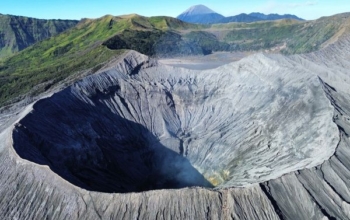
Mount Bromo: Ost-Javas atemberaubendes Vulkanwunder
Mount Bromo: Ost-Javas atemberaubendes Vulkanwunder. Der majestätische Mount Bromo thront im Tengger-Massiv Ost-Javas und ist eine der spektakulärsten Naturattraktionen Indonesiens. Dieser aktive Vulkan, Teil des Bromo-Tengger-Semeru-Nationalparks, zieht Abenteurer mit seinen unwirklichen Landschaften, seinem lebendigen kulturellen Erbe und unvergesslichen... mehr lesen
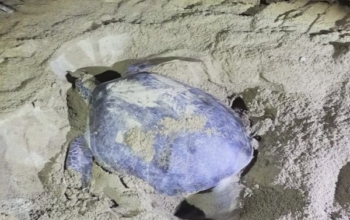
Ostjava-Rundreise ab Bali – Mount Ijen, Sukamade, Bromo & Tumpak Sewu (5 Tage 4 Nächte)
*Start Rp 16.740.000

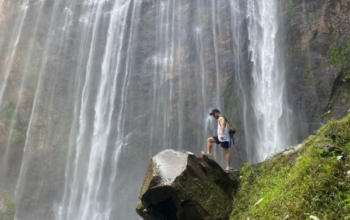
Ijen Bromo Tumpak Sewu Tour ab Bali – Das beste 4T3N Vulkanabenteuer in Ostjava
*Start Rp 13.320.000




Kontaktieren Sie uns
Bei Fragen kontaktieren Sie uns gerne.
-
Hotline
+6285122690630 -
Whatsapp
085122690630 -
E-Mail
info@intoeastjava.com


 DE
DE  EN
EN  FR
FR
Noch kein Kommentar